

Resort guide
Goa — India
Goa, India: holidays and tours. We compare hotels, flights, meals and transfers and check the terms before payment. Tell us your dates and budget and a manager will match options for your trip.
TripTech will help you choose a flight and a hotel and put together a route through north and south India for your dates, so the journey stays comfortable and free of unnecessary transfers.
Day trips from Goa
The country guide lists places you can add to a stay here; we will build the route around your dates.
- 01
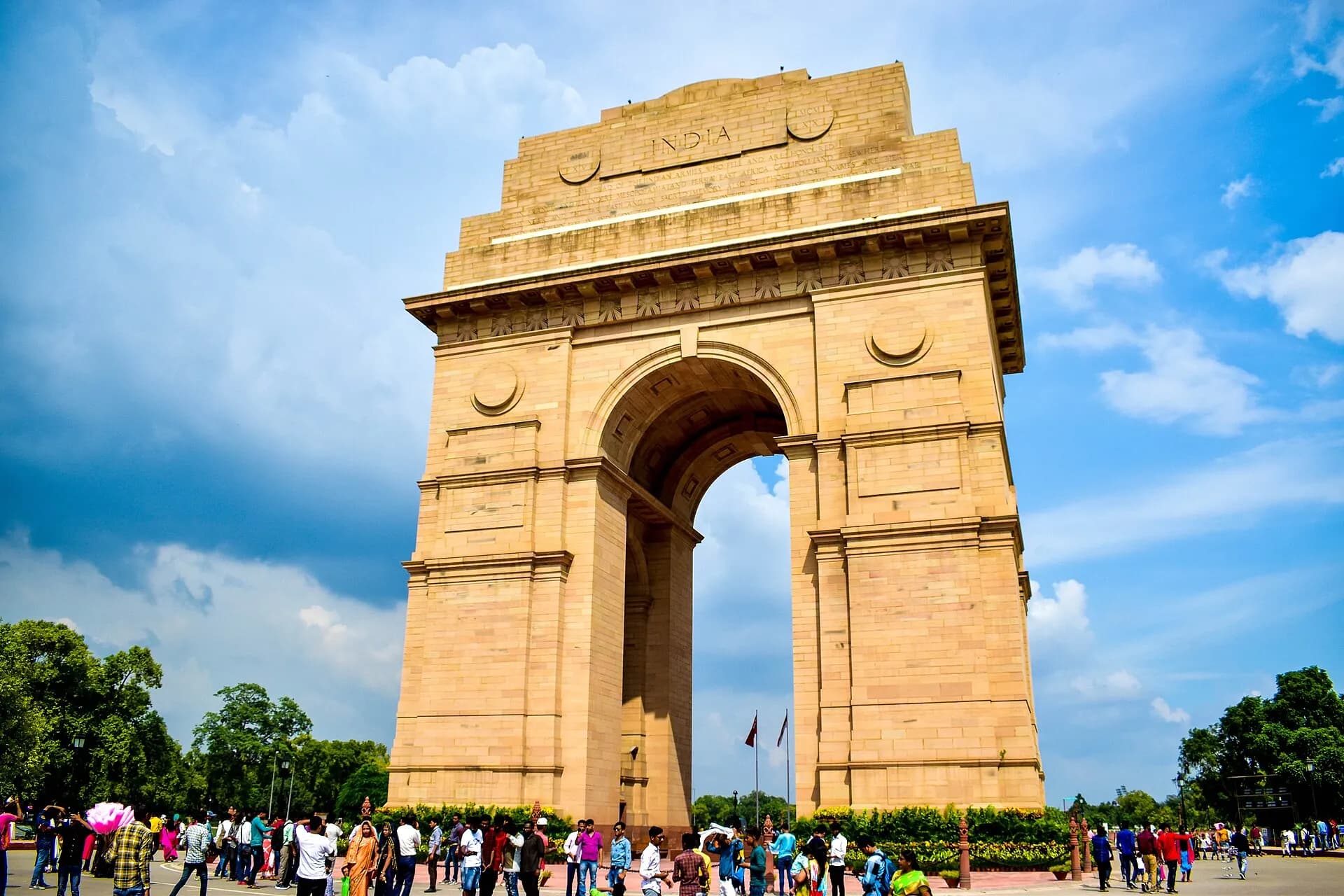
India Gate and Qutb Minar — see two faces of Delhi
Two symbols of the capital that show how different it can be. India Gate stands in the heart of New Delhi on the wide Kartavya Path: it is a memorial to the soldiers of the First World War, and families stroll around it in the evening. Qutb Minar in the south of the city is a 13th-century tower of red sandstone, part of the complex of the first Delhi sultans, with an iron pillar and carved gateways. Between them, Humayun's Tomb, a Mughal garden mausoleum, foreshadows the Taj Mahal.
- 02
Taj Mahal and Agra Fort — see the country's main symbol
The Taj Mahal stands on the bank of the Yamuna: white marble, inlay work and symmetrical gardens that Shah Jahan built for Mumtaz Mahal. Early morning is the best time, before the heat and the crowds. Two kilometres away is Agra Fort of red sandstone, the Mughal residence with courtyards, halls and a view of the Taj Mahal. Both monuments are World Heritage sites and deserve a full day.
- 03
Hawa Mahal and Amber — see Jaipur from two sides
Jaipur is called the pink city, and Hawa Mahal is its most recognisable facade: a thin wall with hundreds of carved windows through which the women of the court watched the street. Amber Fort stands on a hill above Maota Lake, and inside you can see the mirror hall, courtyards and fortress walls. Pair both with a walk through the old city, with its markets, the Jantar Mantar observatory and craft workshops.
- 04
Jodhpur and Mehrangarh — rise above the blue city
Jodhpur is known as the blue city: the houses in the old quarters are painted indigo, and the best view is from Mehrangarh Fort. The fort stands on a cliff above the town, with palaces of carved windows, collections of palanquins and weapons, and a panorama of rooftops from the towers. Below is the busy market by the clock tower, selling spices and sweets. Nearby lies the marble memorial of Jaswant Thada.
- 05
Udaipur and Lake Pichola — see a city on the water
Udaipur sits among lakes and hills, and water is part of everyday life here. The City Palace runs along Lake Pichola, palaces stand on the islands, and the embankments offer the best views at sunset. Take a boat between the islands, look into the Saheliyon ki Bari gardens and climb to the Monsoon Palace above the city. Udaipur is a calm alternative to the busier cities of Rajasthan.
- 06
Jaisalmer and the Thar Desert — sleep among the dunes
Jaisalmer is called the golden city: the fort and havelis are built of sandstone that glows honey-coloured at sunset. The old town lives inside the walls of Sonar Quila, and nearby stand houses with carved facades and narrow courtyards. From here trips head into the Thar Desert: dunes, camel trails and nights in camps under the open sky. The sunset over the sand is worth staying a couple of days for.
What else is worth trying
Try Indian food
not only curry: every region has its own dishes — dosa in the south, thali in Rajasthan, fish on the coast, and it is always worth looking for places where locals eat.
Travel by train
the railways link almost the whole country, and overnight trains save time and give a sense of the road; book tickets in advance.
Start before dawn
the main monuments — the Taj Mahal, the ghats, the temples — are best seen early, before the heat and the tour groups arrive.
Leave room for the road
distances and traffic in India often break plans, so keep free days in the itinerary and do not try to see everything in one trip.
Look at the crafts
textiles, spices, tea, pottery and jewellery are a good reason to step into workshops and markets where local craftspeople work.
Before your trip
India is a country of long distances and different climates, so the route should follow the season. From October to March most of the country is comfortable, while June to September brings monsoon rain and heat to the central and southern regions; the Himalayas have a short season, with spring and autumn the best months. Between cities, flights and trains are the practical choice, and tickets are best booked in advance; apps for taxis and local drivers help in town. Drink only bottled water and choose street food where many locals eat. Temples and mosques ask for covered shoulders and knees, shoes come off at many sites, so comfortable slip-on footwear helps. Cards work in hotels and large shops, but markets and small cafés need cash, and cash machines are best found in busy places. Visas are arranged in advance, and entry rules should be checked on official resources.
Frequently asked questions
How much does a tour to Goa cost?
The price depends on dates, hotel, meal plan, flights and party size. A manager will shortlist options for your budget and show the full price before payment.
When is the best time to visit Goa?
The best season depends on your dates, budget and holiday style. A manager will check current options for your specific dates.
Can I depart from my city?
We search departures from Almaty, Astana and other cities in Kazakhstan; availability depends on dates and flights.
Do you help with documents?
We check current requirements for your citizenship and help prepare documents. The visa decision is made by the consulate.
When is the best time to visit India?
October to March suits most of the country, when the monsoon has passed and the heat is milder. The south and Goa have a longer season, while the Himalayas are best in spring and autumn. In summer the central regions are extremely hot, and the monsoon brings rain and high humidity.
How many days do you need in India?
Two weeks is a good first trip, enough to join the north — Delhi, Agra and Rajasthan — with one southern or eastern direction. To see both the Himalayas and Kerala, allow three weeks: internal flights and transfers take a lot of time.
Information about places and trip conditions may change or be out of date. Please verify the latest details before you travel.
Photograph: Navonildutta4 · CC BY-SA 4.0 · Wikimedia Commons