

Destination guide
Mexico holidays — pyramids, colonial cities and the Caribbean
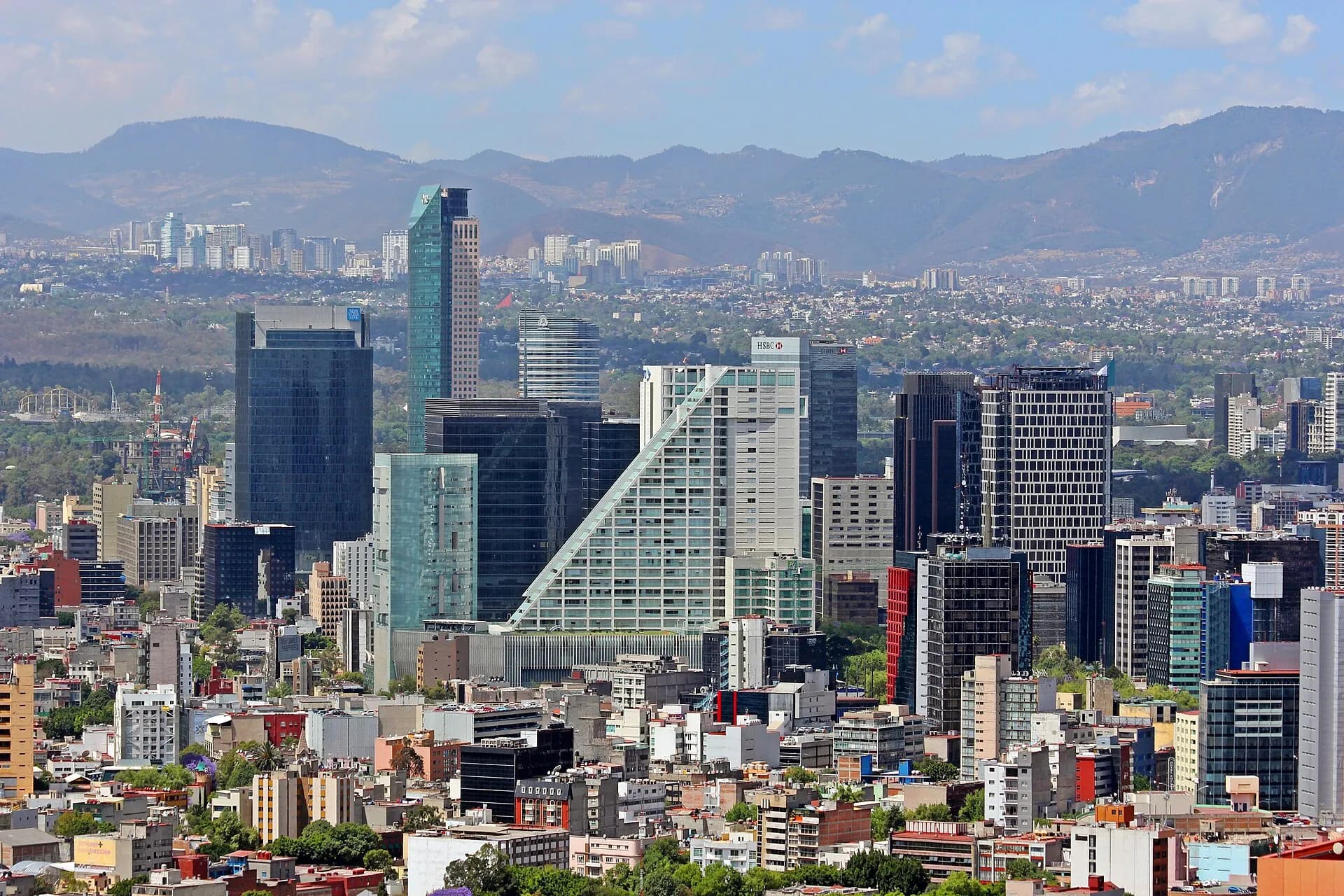
Mexico is several journeys in one country: colonial cities and Guanajuato in the centre, the pyramids of Teotihuacan and Monte Alban, the markets and food of Oaxaca, the jungle of Palenque, the cenotes and white beaches of the Yucatan, and deserts and whales on the Pacific coast. Moving between regions is straightforward, so one trip can combine history, food and the sea.
TripTech will help you choose a flight and a hotel and put together a route for your dates, so travelling around Mexico stays calm, without redundant flights or transfers.
Where to go in Mexico
- 01
Mexico City's historic centre — see the Zocalo and Templo Mayor
The main square of Mexico City, with its cathedral and the National Palace, stands on the site of the Aztec capital Tenochtitlan. Next to it are the ruins of Templo Mayor, the city's main temple, where you can see the base of the pyramids, stone reliefs and a museum of finds. Pair the visit with Calle Madero and the colonial blocks around it.
- 02
Museum of Anthropology — make sense of the country's past
One of Latin America's leading museums, set in Chapultepec Park. Its halls hold finds from pre-Columbian cultures — the Olmec, Maya, Aztec and Toltec — including the Sun Stone, sculptures and jewellery. The collection is enormous, so pick the halls that matter to you or the visit will easily take a whole day.
- 03
Coyoacan and Frida Kahlo's house — see the artist's district
A quiet district of Mexico City with colonial streets, squares and a market, where Frida Kahlo spent much of her life. The blue Casa Azul keeps her studio, garden and personal belongings, and Leon Trotsky's house museum and old cafes are nearby. Most visitors come for half a day to escape the noisy centre.
- 04
Teotihuacan — climb the pyramids of an ancient city
An ancient city an hour from Mexico City, with the pyramids of the Sun and the Moon, the Avenue of the Dead and palace compounds. The scale of the pre-Columbian world is easy to feel here, and the stone steps open views over the valley and its feathered-serpent reliefs. Arrive early in the morning, before the heat and the crowds.
- 05
Guanajuato — get lost in its alleys and tunnels
A colonial city built on the slopes of a valley, with bright houses, church domes and underground tunnels instead of some streets. Climb to the Pipila viewpoint, find the tiny Kiss alley and try the local food. The panorama over Guanajuato is considered one of the most beautiful in Mexico, and the steep cobbled lanes make comfortable shoes worthwhile.
- 06
San Miguel de Allende — wander a town of artists
A comfortable colonial town founded in the 16th century, with the pink La Parroquia church, cobbled streets and views over the hills. Galleries, workshops and art schools are everywhere, so it is easy to stay several days. In the evening, head to the main square and listen to musicians by the church.
- 07
Puebla and Cholula — taste the food and see a pyramid
One of Mexico's oldest cities, known for talavera ceramics, its baroque cathedral and a cuisine built around mole. Nearby Cholula has the largest pyramid by volume in the ancient world, with a church on its summit. Puebla fits easily into a route between Mexico City and Oaxaca, and the local sweets and smoky sauces are worth seeking out.
- 08
Oaxaca and Monte Alban — see an ancient city in the hills
Oaxaca is a city of markets, craft workshops and a cuisine that uses chocolate, herbs and several kinds of mole; the Benito Juarez market is the place to start. Nearby Monte Alban is a Zapotec city with plazas, an observatory and stone reliefs on the hillside. Allow several days for this part of the trip.
- 09
San Cristobal de las Casas — feel the villages of Chiapas
A town in the Chiapas highlands with colonial streets, busy markets and indigenous communities around it. See the Santo Domingo church, walk the pedestrian centre and take a trip to villages where crafts and traditions have survived for centuries. The mountain air is cool, so bring warm clothes and allow time to visit more than one village.
- 10
Palenque — see temples in the middle of the jungle
A Maya city in the Chiapas jungle with the Temple of the Inscriptions, the palace and the Temple of the Cross. The stone buildings stand among greenery, howler monkeys call from the trees, and the damp air gives the place its atmosphere. Afterwards, visit the nearby Agua Azul and Misol-Ha waterfalls.
- 11
Chichen Itza — see the pyramid of Kukulcan
One of the largest Maya cities of the Yucatan, with the pyramid of Kukulcan, an observatory, a sacred cenote and a ball court. Carved serpents and reliefs hint at life in the city before the Spanish arrived. The site is very popular, so an early start makes a real difference; take water and a hat, as shade is scarce on the open ground.
- 12
Tulum — swim below the walls of a temple
A Maya city on a cliff above the Caribbean, ringed by a stone wall. The ruins stand next to the beach, so a swim follows naturally, and parks with cenotes are close by. Tulum is easy to combine with a Riviera Maya holiday and trips inland across the peninsula. The town itself is small, with plenty of cafes, shops and bike rentals, and quiet streets in the evening.
- 13
Merida — slow down in the white capital of the Yucatan
A large Yucatan city with pale facades, wide boulevards and an easy pace of life. It is a convenient base for Chichen Itza and the cenotes, and in the evening the Santa Lucia square is the place to try Yucatecan cooking. The city has plenty of museums, galleries and cafes, and on Sundays some streets close to traffic. Many travellers use Merida as their base for exploring the peninsula.
- 14
Cancun and the Riviera Maya — take a holiday by the sea
A resort strip on the Caribbean coast with white sand, turquoise water and hotels by the beach. Here you can rest by the sea, snorkel near Isla Mujeres, take jeep trips to cenotes and see the ruins of Tulum and Coba. The Riviera Maya stretches along the coast, so the right area depends on what you want.
- 15
Guadalajara and Tequila — hear mariachi and see the agave fields
The capital of Jalisco, with the Plaza de los Mariachis, the cathedral and the San Juan de Dios market, where music plays from morning to night. Nearby are the town of Tequila and blue agave plantations that show how the local drink is made. People come for the music, the food and the blue fields of agave.
- 16
La Paz and the whales — meet grey whales in the lagoons
The capital of Baja California Sur, on the Gulf of California, where boat trips and excursions to the Magdalena and San Ignacio lagoons begin. Grey whales arrive in winter, and small boats with local skippers take visitors out to see them. Balandra beach and quiet sunsets make La Paz a good stop on a Baja route.
Resorts and cities
What else is worth trying
Eat on the street
tacos al pastor, quesadillas and tamales are best found at markets and small local places where the food is cooked in front of you.
Swim in a cenote
the underground lakes of the Yucatan are cool and clear, but there is a shower before swimming and you will want a change of clothes and a towel.
Use intercity buses
in Mexico they are a comfortable and predictable way to link colonial towns and state capitals.
Respect the altitude
Mexico City sits more than two thousand metres above sea level, so keep the first day light and skip long excursions.
Shop at markets
ceramics, textiles and crafts are best chosen at local markets and workshops rather than the first tourist shop you pass.
Before your trip
The best time to travel depends on the region: the centre and the highlands are most comfortable in spring and autumn, the Caribbean sees rain and hurricanes in late summer and autumn, and winter there is dry and warm. Mexico City lies above two thousand metres, so take the first day slowly and go easy on alcohol while you adjust. Drink bottled water and choose food in busy places where it is cooked in front of you; carry cash for markets, taxis and small cafes. Flights and intercity buses link the regions, while metro, taxis or a ride-hailing app work well in the cities. Avoid building remote routes alone: check current conditions and do not carry large sums of cash.
Frequently asked questions
When is the best time to visit Mexico?
It depends on the region. The dry season from November to April suits Mexico City, the colonial towns and Oaxaca, while the Caribbean is at its best from December to April; summer and autumn bring rain and the risk of hurricanes. December and January are especially busy in popular places, so book accommodation early.
How many days do you need in Mexico?
Five or six days are enough for Mexico City, its museums and Teotihuacan, while combining the centre, Oaxaca and the Yucatan calls for two weeks or more. If you want both the Caribbean and the colonial cities, allow three weeks, otherwise the trip becomes a series of flights and transfers.
Should you choose the Caribbean or the culture?
They are different trips: the Caribbean is about beaches, cenotes and easy days by the sea, while the culture side means pyramids, museums and colonial towns. It makes sense to start in Mexico City and the colonial towns and finish on the coast to rest after a busy programme.
How do you get around Mexico?
Flights link the regions, comfortable intercity buses connect the cities, and on the Yucatan the roads are well suited to a rented car. Mexico City and Guadalajara have metro and public transport, and for the pyramids and cenotes people often take a driver or a guided tour.
Information about places and trip conditions may change or be out of date. Please verify the latest details before you travel.
Photograph: Alejandro Islas · CC BY 2.0 · Wikimedia Commons