

Destination guide
Spain holidays — cities, coasts and islands
Spain is several journeys in one country: the museums of Madrid, the medieval quarters of Barcelona, the Moorish palaces of Seville and Granada, the stone cities of Castile, the green northern coast and islands with volcanoes and beaches. Andalusia, Catalonia, Valencia, the Basque Country, Galicia, the Canaries and the Balearics differ in climate, cuisine and pace of life, so a route is worth planning with time for travel between regions rather than trying to see everything at once.
TripTech will help you choose a flight and a hotel and put together a route through the cities, coasts and islands for your dates, so travelling around Spain stays comfortable and free of unnecessary transfers.
Where to go in Spain
- 01
Prado Museum — see the Spanish masters
A leading European museum on the Paseo del Prado in Madrid, with works by Velázquez, Goya, El Greco and Bosch. The Spanish painting rooms deserve first attention, and the other collections are worth leaving extra time for. The museum is large, so it helps to pick a few artists in advance and move to them along the floor plan.
- 02
Puerta del Sol and Gran Vía — feel the rhythm of Madrid
Madrid's central square and the grand avenue beside it, where tourists, street musicians and locals all meet. Gran Vía offers views of early 20th-century facades, and on Puerta del Sol you can find Kilometre Zero and step into old pastry shops. The area becomes especially lively in the evening, so leave the walk for after dinner.
- 03
Toledo — get lost in a medieval city
Spain's former capital on a rock above the Tagus, where Christian, Jewish and Muslim quarters sit side by side inside the old walls. Here you can see the cathedral, the El Tránsito synagogue and the Alcázar fortress with its museum. The city is compact but steep, so comfortable shoes help more than a car.
- 04
Segovia — walk beneath the Roman aqueduct
A city in Castile and León, known for the aqueduct that the Romans built from granite blocks without mortar. The cathedral and the Alcázar, whose towers look like a fairy-tale castle, are close by. One day is enough for the visit, but it is worth arriving unhurried to climb to the walls and walk the old town in full.
- 05
Sagrada Familia — see Gaudí's unfinished masterpiece
A cathedral in Barcelona that has been under construction for more than a century to Antoni Gaudí's design. Inside, look for columns that resemble trees, while the play of light through the stained glass is strongest in the morning. Crowds gather all day, so arrive early and leave the Nativity facade and the small museum for later.
- 06
Gothic Quarter — wander the narrow lanes
Barcelona's oldest quarter, with Roman walls, the Cathedral of Santa Eulàlia and small squares hidden between buildings. It is a pleasure to walk here without a map, stopping at shop windows, inner courtyards, old workshops and city markets. The area is busy by day, while early in the morning the lanes are almost empty and you only hear footsteps.
- 07
Park Güell — stroll the mosaic terraces
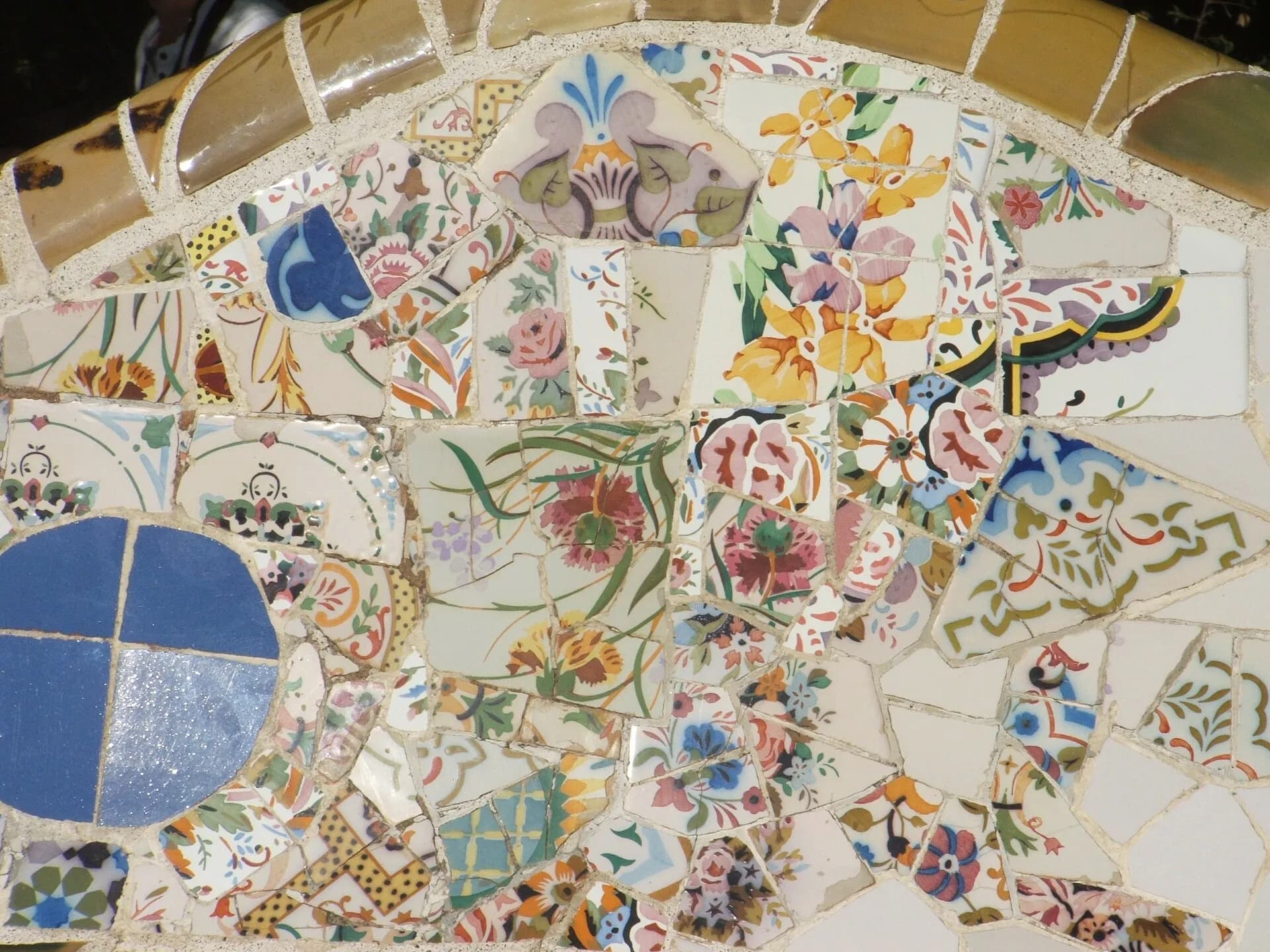
A hilltop park in Barcelona that Gaudí planned as a garden city and later opened to everyone. The undulating mosaic bench and the views over the city are worth the short climb, and shaded paths offer relief from the heat. Only a limited number of visitors enter the central area, so book a place in advance.
- 08
City of Arts and Sciences — see futuristic Valencia
A complex of white buildings in the old bed of the Turia river: an oceanographic park, a science museum and an opera house. The futuristic forms look their best at sunset, when the water in the pools reflects the light as the illumination comes on. Half a day is enough to pair the museum with a walk in the neighbouring park.
- 09
Royal Alcázar and Giralda — see Moorish Seville
A palace complex in the centre of Seville with arcades, tiles and gardens that hold layers of Moorish and Christian architecture. The Giralda bell tower rises next to it, with the whole old town visible from the top. Courtyards get hot in summer, so start the visit in the morning and save the shaded gardens for later in the day.
- 10
Alhambra and Albaicín — walk through Moorish Granada
A palace and fortress complex above Granada with carved arches, inner courtyards and the gardens of the Generalife. Opposite rises the Albaicín, an old quarter of white houses with the best view of the fortress. The Nasrid palaces admit visitors at a set time, so book in advance and arrive for your slot.
- 11
Mezquita — walk through a forest of columns
The cathedral of Córdoba that grew out of a great mosque: hundreds of columns with double arches open like a forest, and a Christian basilica stands unexpectedly in the middle. The contrast of two eras is the main impression of the monument. Around the Mezquita it is pleasant to stroll the old town and reach the Roman bridge over the Guadalquivir, which offers a view back to the city.
- 12
Málaga — combine beaches with the old town
A city on the Costa del Sol where the Alcazaba fortress, the cathedral and a palm-lined waterfront sit on one route. The beaches are within the city, so after a walk you can go straight to the sea and come back to the bars in the evening. Málaga is a convenient base for trips to Ronda, Cádiz and other Andalusian towns.
- 13
Bilbao and the Guggenheim — see new architecture
A former industrial city in the Basque Country that was transformed after the Guggenheim Museum, with its metal forms, opened. Here you can see the museum itself, walk along the Nervión river and ride the funicular up to the viewpoint. Bars serving pintxos are a reason in themselves to stay a day longer.
- 14
Santiago de Compostela — reach the pilgrims' cathedral
The end of the Camino de Santiago and the city where walkers are welcomed on the Plaza del Obradoiro. The cathedral of Saint James is worth seeing inside as well as out, and the granite streets of the old town are best explored in full. Some travellers stay several days to feel the atmosphere of the route.
- 15
Mallorca and Palma — combine the sea with the old town
The capital of the Balearic Islands, where a Gothic cathedral, narrow streets and a market with local produce sit close to the waterfront. From the city it is easy to reach coves with clear water and small beaches. The island is worth touring by car to see the Serra de Tramuntana mountains and villages in the highlands.
- 16
Tenerife and Mount Teide — climb above the clouds
The largest of the Canary Islands, with the Teide volcano rising in the centre and a national park of black lava fields around it. A cable car runs up the mountain, and the volcano is visible from almost anywhere on the island. The coast is good for swimming all year, so people come here to combine mountains and beaches.
Resorts and cities
What else is worth trying
Try the tapas
not as a snack but as the way to have dinner: several small plates in different bars give more flavours than one large dish.
Take the AVE
between Madrid, Barcelona, Seville and Valencia the high-speed train is often easier than flying, and the stations sit in the city centres.
Rent a car
to link coasts and islands in one route, but plan for toll roads, parking in the centre and restrictions in historic quarters.
Browse a market
for ham, olives, cheese and fresh fish, since markets serve lunches and are the simplest way to meet local cooking.
Walk after dinner
Spain eats late and the streets stay lively until night, so an evening walk through the centre is part of the local rhythm.
Before your trip
The best time to visit depends on the region: spring and autumn suit the cities and sightseeing, summer is hot and busy on the coast and islands, and the north is cooler with more rain. Spain dines late and many shops close for siesta in the middle of the day, so check schedules in advance. High-speed AVE trains and buses link the cities, the centres are easy on foot and by metro, while the coast and islands often call for a rented car. Keep some cash for small bars and markets, although cards are accepted almost everywhere. Catalonia, the Balearic Islands and other regions charge a tourist tax that usually appears on the hotel bill; check current entry conditions on official websites.
Frequently asked questions
When is the best time to visit Spain?
It depends on the region and the purpose of the trip. Spring and autumn are most comfortable for cities and sightseeing, when the heat is not exhausting; summer suits the beaches of the Mediterranean and the islands, while the Canaries welcome visitors all year. In the north, rain is possible at any time of year.
How many days do you need in Spain?
Three or four days are usually enough for one city. To combine Madrid, Barcelona and Andalusia, plan two weeks, otherwise the trip turns into transfers. Add the islands and you need even more time.
Should you choose cities or the coast?
They are different trips. Cities are about museums, architecture and food; the coast is about the sea, beaches and a calmer pace. If time is short, start in Madrid or Barcelona and spend the last days by the sea.
How do you get around Spain?
High-speed AVE trains and buses are convenient between the big cities, and flights serve the islands and remote regions. A car is often used for the coast and countryside, while Madrid and Barcelona are easier by metro and public transport.
Information about places and trip conditions may change or be out of date. Please verify the latest details before you travel.
Photograph: ABruszik · CC BY-SA 4.0 · Wikimedia Commons